Aerosonde® UAS at the Center of Taiwan’s First Manned-Unmanned Teaming Operation
Modern military operations are evolving, depending more on the ability to connect sensors, operations and laser target effects in real time.
In July, Taiwanese Armed Forces held its annual Divine Eagle Exercise, where the Taiwan Army successfully completed its first Manned-Unmanned Teaming (MUM-T) operation. MUM-T enables an uncrewed aircraft to move forward, maintaining persistent overwatch and providing precise laser designation to allow attack helicopters to remain focused on mission execution.
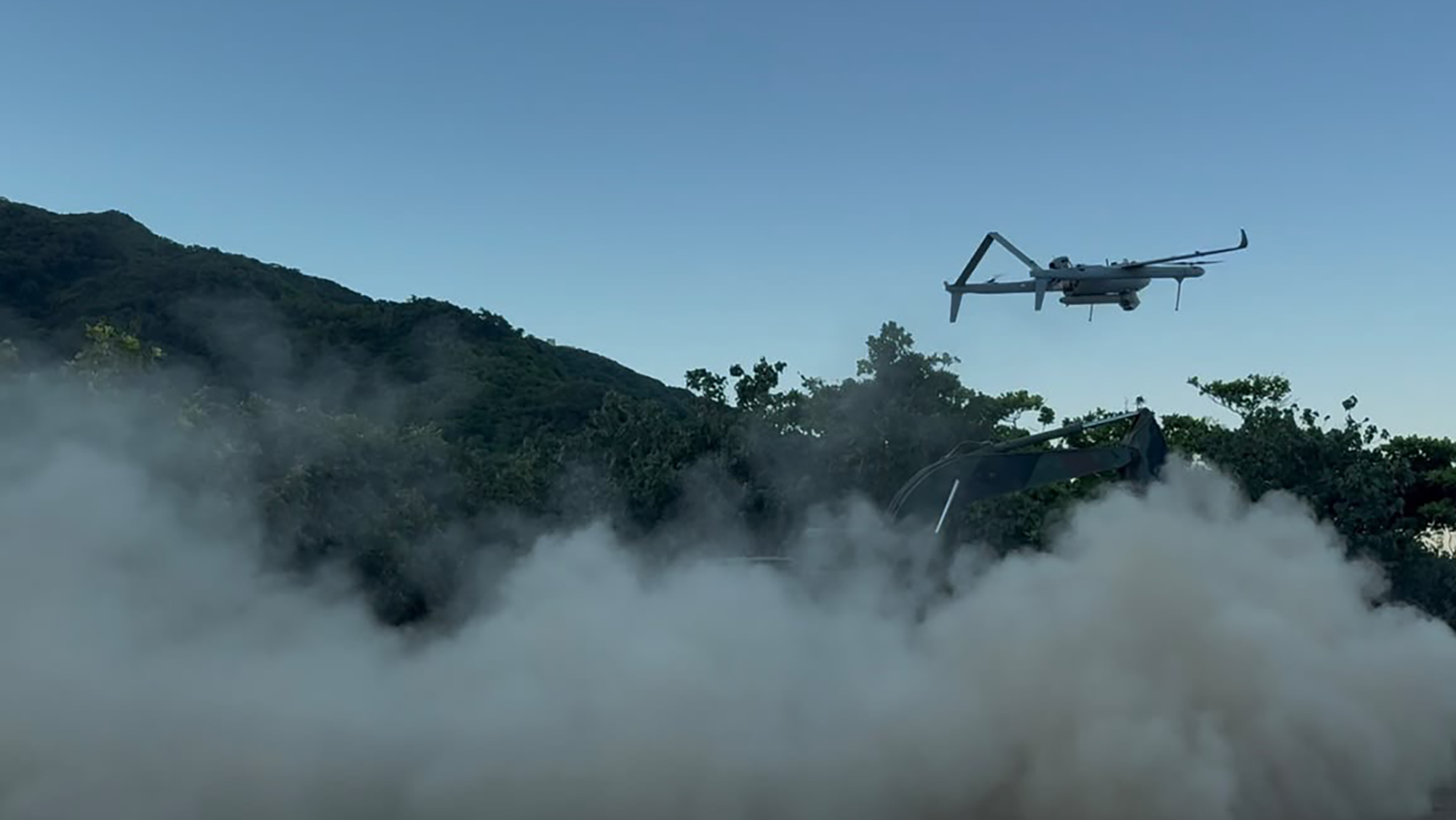
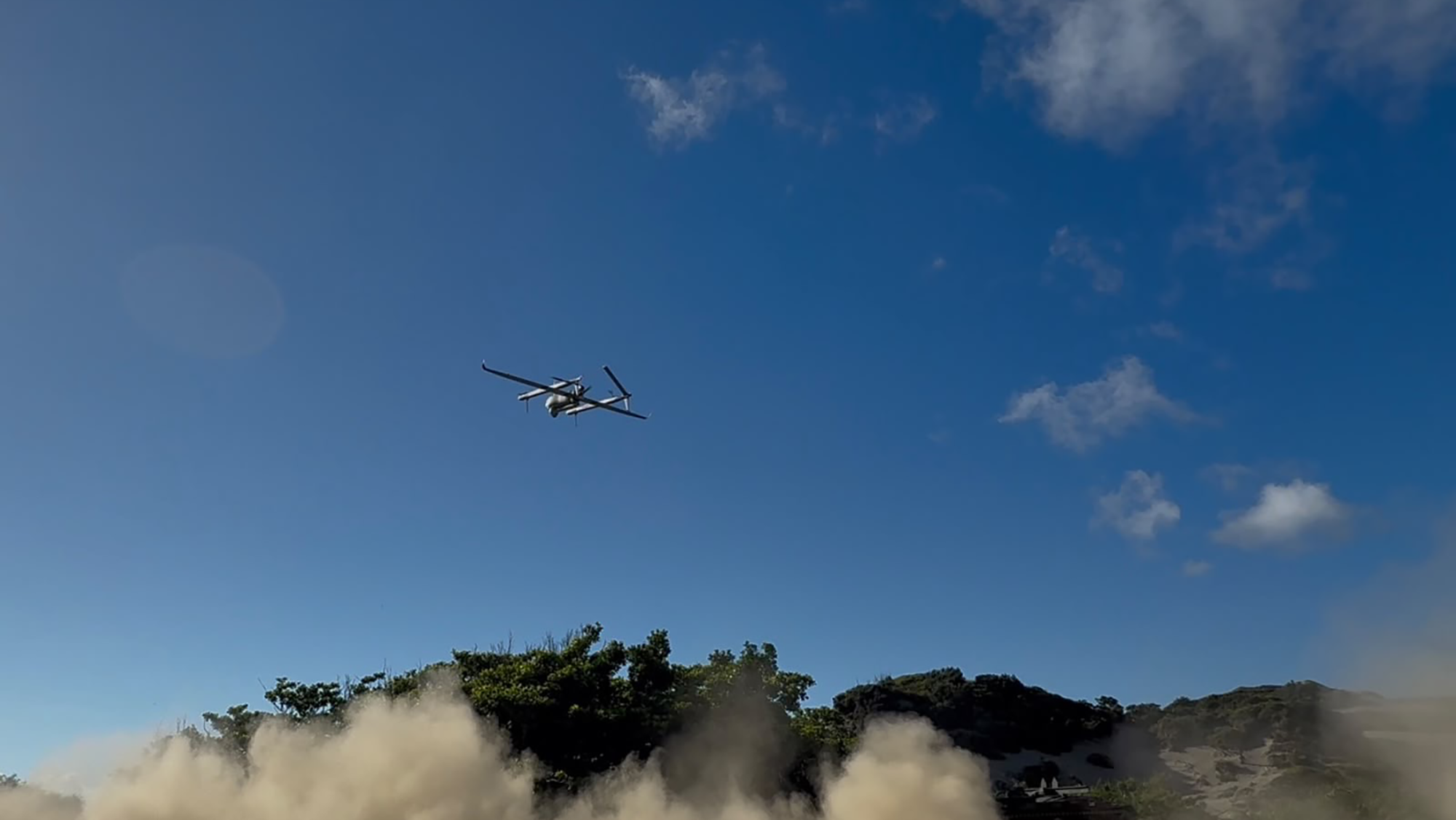
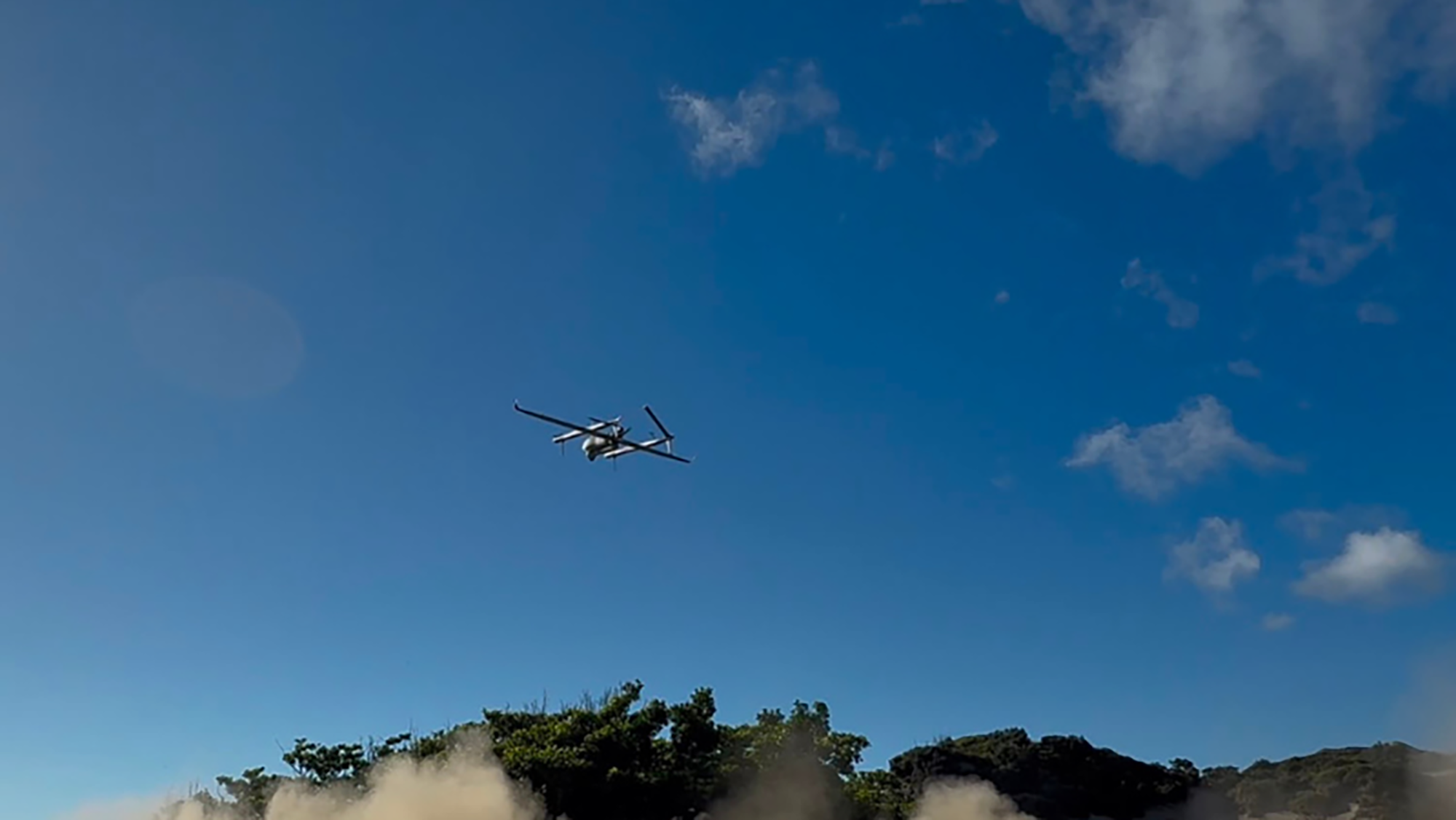
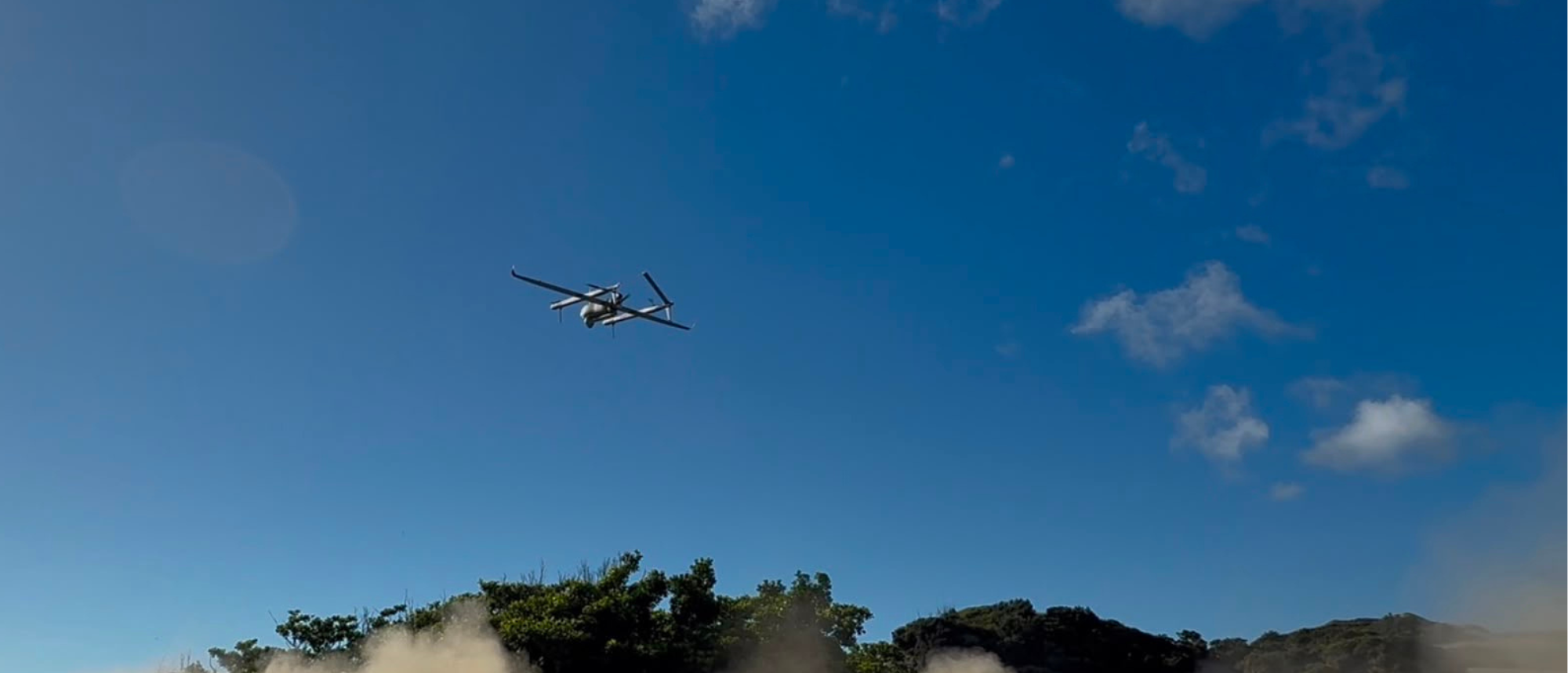
At the center, Textron Systems’ Aerosonde® Mk. 4.7 vertical take-off and landing (VTOL) Uncrewed Aircraft System (UAS) provided intelligence, surveillance, reconnaissance and targeting (ISR-T) and laser designation capabilities that enabled an Army Aviation and Special Forces Command (ASFC) AH-64E Apache helicopter to engage simulated maritime targets.
Deployed on the beachhead, the Aerosonde UAS combined VTOL with fixed-wing endurance, moving quickly into the target area to establish persistent ISR-T. Using an advanced electro-optical payload, the aircraft identified, tracked and designated simulated targets for precision engagement by Apache helicopters. This successful integration highlights the strength of connected sensor-to-shooter architecture, showcasing seamless, real-time information sharing between uncrewed and crewed platforms.
The demonstration highlighted the primary advantages of the Aerosonde UAS: accelerating crew decision making and operational flexibility. Serving as the battlefield’s forward eye, the Aerosonde UAS delivered continuous situational awareness and allowed operators to detect and engage targets with greater confidence and reduced risk.
As armed forces continue to evolve, MUM-T is the framework for multi-domain operations. The Aerosonde UAS and Taiwan’s Army Aviation helicopters teaming up without error proves how systems can continue to advance and enhance existing fleets and improve survivability, precision and sensor-to-shooter timelines without sacrificing the mission.